
THE MAGICIAN'S INITIATION
1. THE TOOLS ON THE TABLE
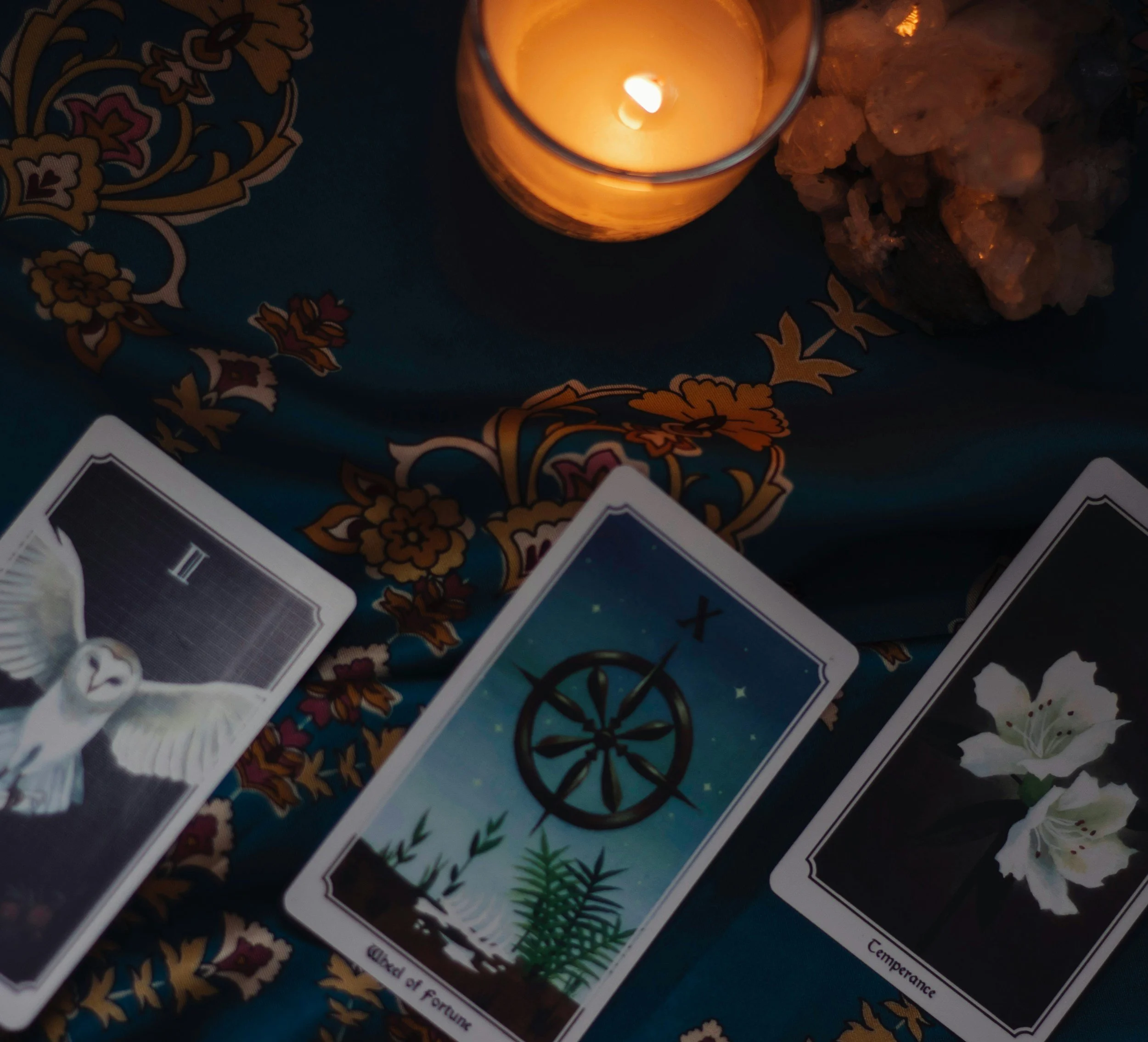
t is ironic that the traditional Magician stands before a physical table of tools, while today, we operate largely from laptops on our couches. To truly prepare for the journey, the modern Magician needs to actually step into the physical world. Preparation does not come from doomscrolling; it comes from real-world application.
Wands (Fire / Creativity): Inspiration does not come from watching other people live their lives on a screen. To harness your creative fire, you have to engage with the real world—go to an art museum, see live music, or just take a walk without your headphones.
Cups (Water / Emotion): You cannot synthesize human connection through text messages and apps. If you want to experience real emotional depth, you have to go to a bar, sit across a table from someone, and actually listen to them.
Swords (Air / Thought): To wield the mind properly, you have to be alone with your thoughts and disconnect from the constant bombardment of opinions. This is difficult, but you must face your own harsh realities to think clearly.
Pentacles (Earth / Material): This is the hardest tool to grasp today because we rarely own anything tangible anymore. Everything is rented or subscribed to. The ultimate task of the modern Magician is to find what you can genuinely claim as your own, and build on solid ground.
The old methods of ownership and connection still work, but they have been buried. You have to dig them out.
2. THE TOXIC GURU (THE SHADOW)
The most dangerous thing about the shadow side of The Magician is that it looks exactly like the light. It takes skill to build a community, but it takes equal skill to build a cult of personality.
Think of Ghostface’s revelation in Scream 4. To borrow a phrase: they don’t need friends, they need fans.
In the modern occult space, the shadow Magician uses all the same tools, but they use them exclusively for engagement and ego. They are the "love and light" toxic positivity peddlers who use tarot as a highly curated aesthetic rather than a tool for shadow work. They use the appearance of perfection to mask a complete lack of genuine human connection. The more flawless they look on camera, the more likely they are completely hollow when the ring light turns off.
The Grifter doesn’t stumble into success; they know exactly how to play the game. They use the cards to manufacture an illusion that they have it all figured out, preying on people looking for easy answers. The modern con artist isn't stealing your wallet; they are stealing your attention and your autonomy.
3. THE SPACE BETWEEN THE SPARK AND THE SPELL
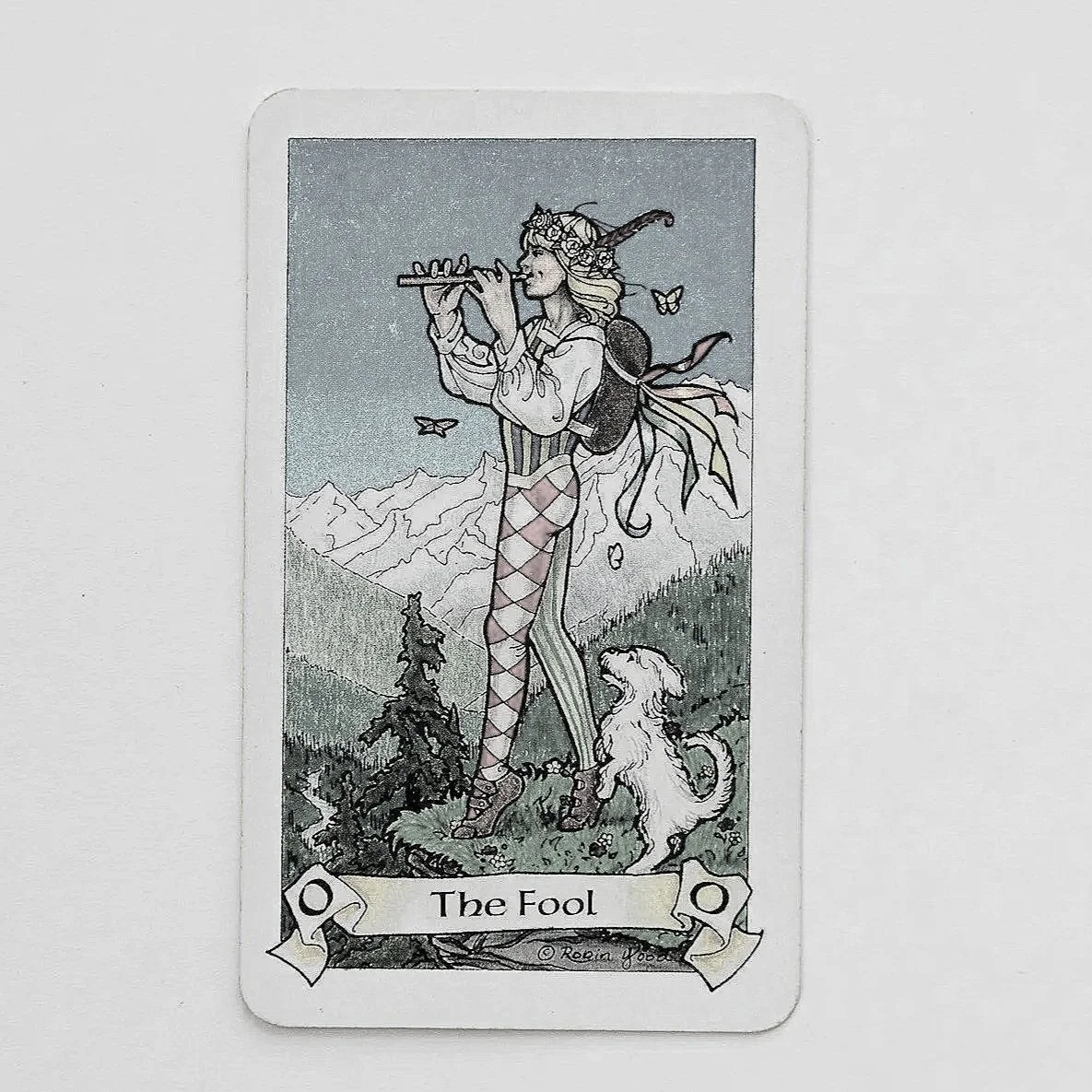
Here is a highly unpopular opinion: The Fool and The Magician should be reversed, or at least understood as running simultaneously. We are taught that The Fool is the beginning of the journey and The Magician is the concrete plan. Here is the problem: planning often becomes the ultimate delay tactic.
You get caught at The Fool because you are terrified of moving forward. You think you need to sit down and play The Magician by mapping out every variable and building a flawless safety net before you can jump. The truth is that The Fool's energy is actually more important. You have to be willing to take a risk and fall. The Magician is just the net catching you.
If you are completely frozen by fear, you should absolutely step back and make a plan. If you have been planning for months and still haven't moved, you are just using The Magician as an excuse to avoid taking the leap. The plan only gets you so far. Eventually, you have to execute the code.
4. CHAOS MAGIC IN PRACTICE
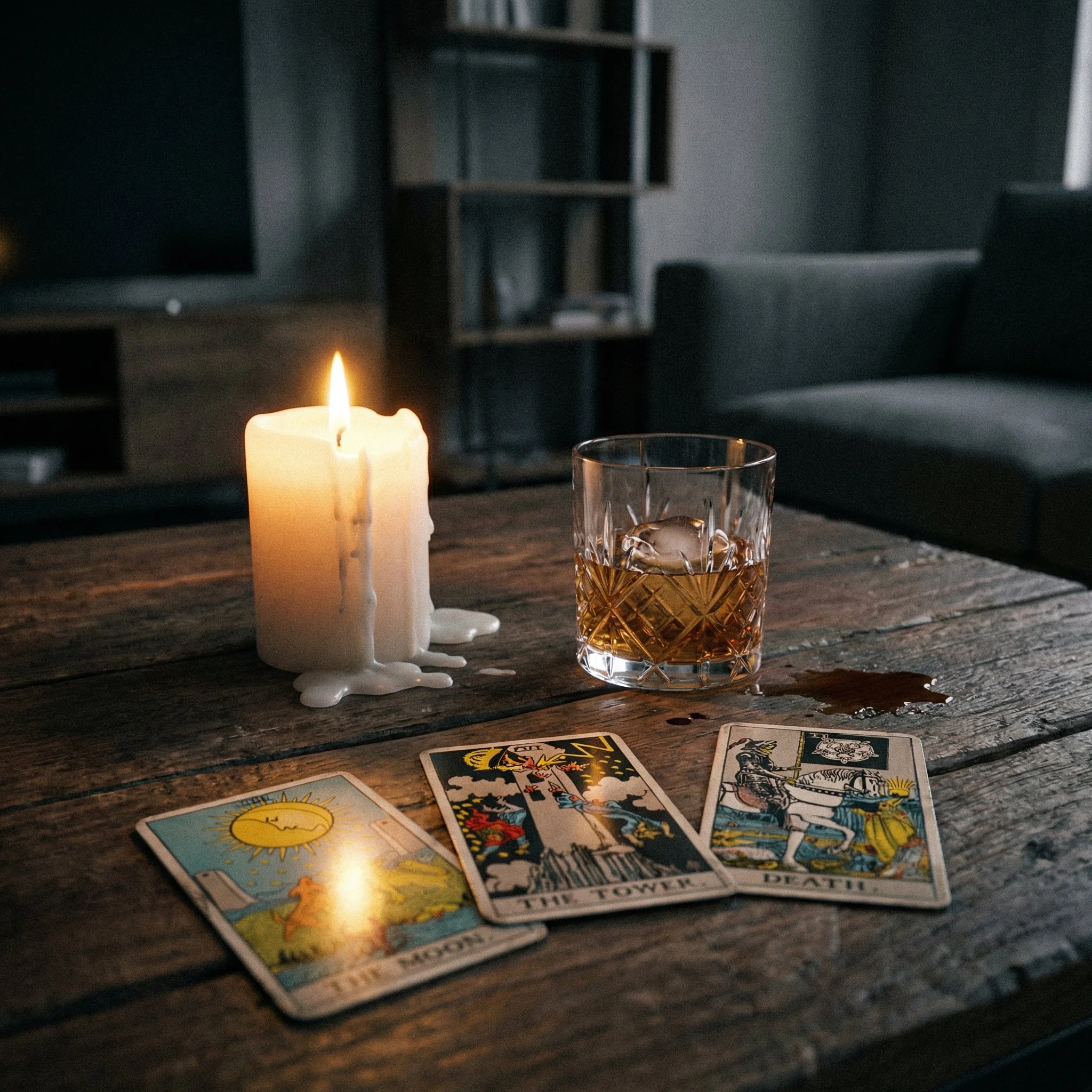
For a long time, my life was a masterclass in passive reception. I let the universe hit me with whatever it wanted, and my only response was to retreat.
I had experienced tarot readings before—including a surprisingly positive one from a Broadway actor during COVID—but it all felt like generic parlor tricks. When I finally sat down with my own pop-culture deck and started actually learning the cards, I realized this system is highly subjective. It isn't a script of unavoidable fate; it's an interface for your own intuition.
Rather than letting grief and depression define me, tarot became my tool to force forward momentum. I stopped asking the cards, "What is going to happen to me?" and started asking, "What tools do I have to fix this?" This was my Magician moment: looking at the absolute chaos around me, grabbing the tools I had left, and finally writing my own narrative.
